


Crop residues don't have to be a challenge!
Residue management is the process of controlling crop residues such as straw, chaff and stubble following harvest to create the best possible conditions for the next crop.
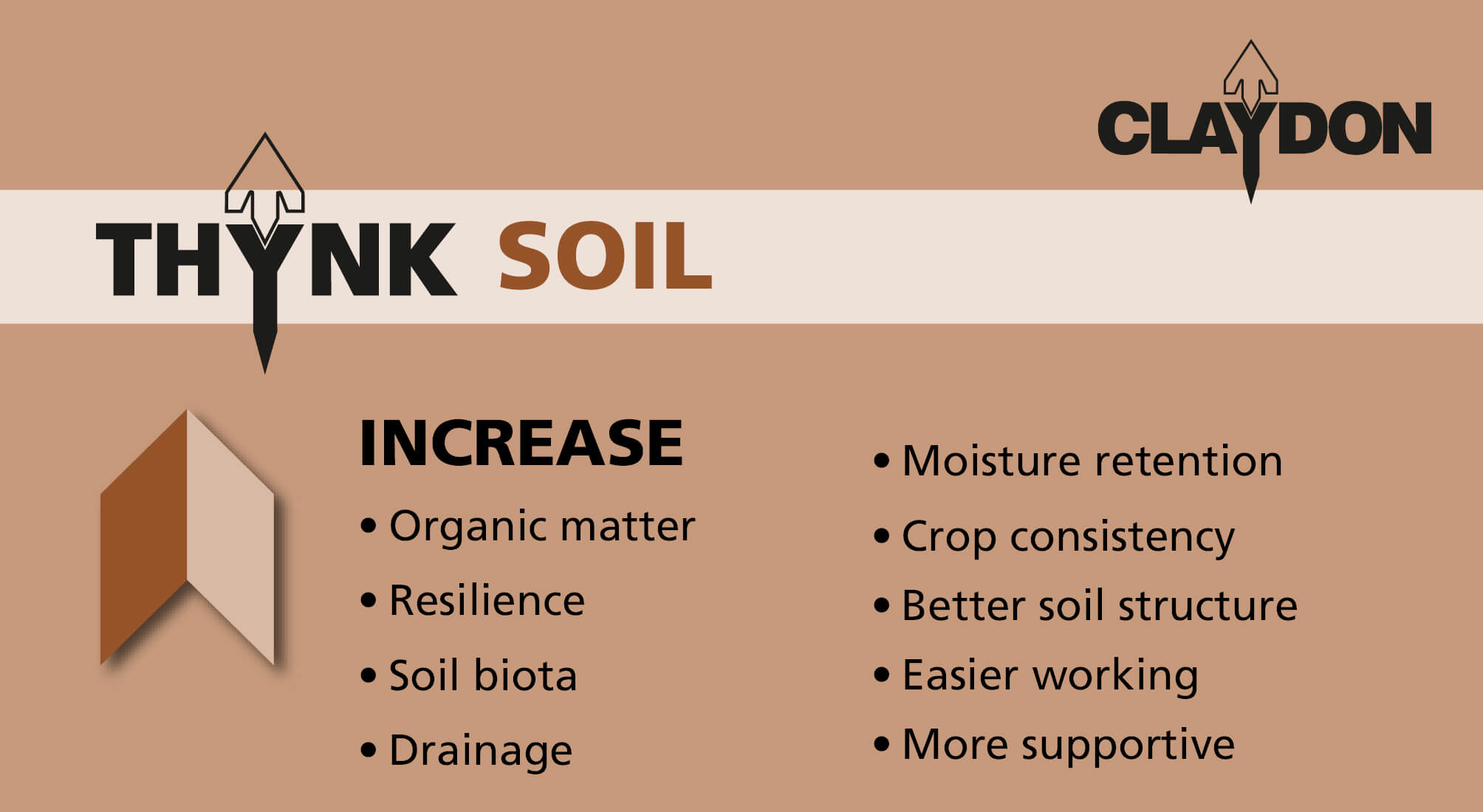
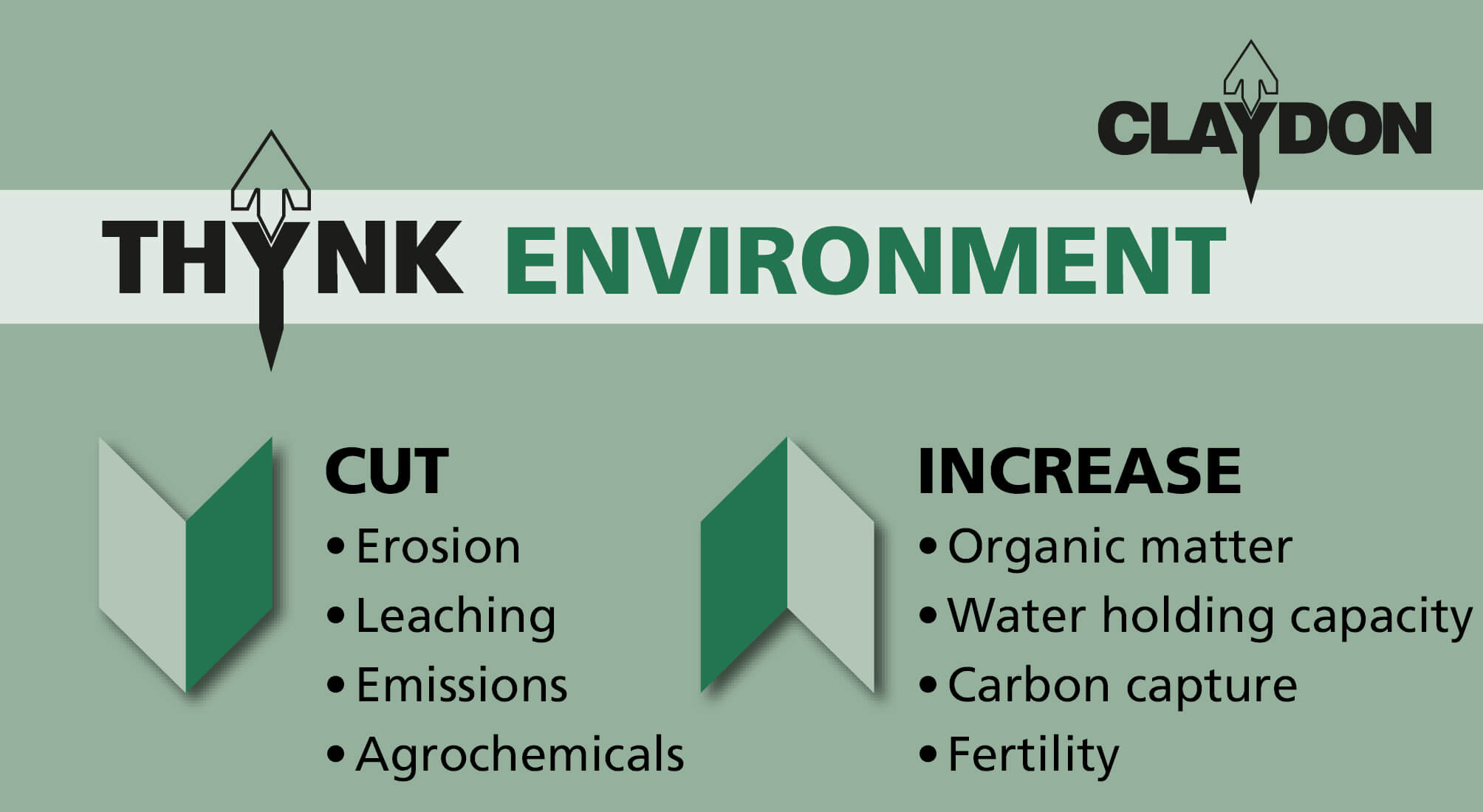
When managed correctly, residue can help protect soil structure, conserve moisture, support soil biology and improve long-term soil health. The key is ensuring residue is distributed evenly across the field and managed appropriately to support successful crop establishment.
A combination of effective combine set-up and stubble management tools, good residue management helps turn a by-product of harvest into a valuable asset for the field. Historically, residues were often removed or intensively cultivated into the soil. However, as growers have increasingly focused on soil health, moisture conservation and reducing establishment costs, residue is now being recognised as an asset that can contribute significant long-term benefits to the farm. Most growers have seen the effects of uneven residue distribution. Straw rows, chaff concentrations and residue mats can lead to patchy emergence, difficult drilling conditions and inconsistent crop performance. In many cases, issues with residue, actually started at harvest.
Get residue management right, however, and direct drilling becomes much more effective.
Successful residue management starts with effective straw management behind the combine. From there, tools such as the Straw Harrow and TerraStar can help spread residue more evenly, improve residue-to-soil contact and create the ideal conditions for drilling. The aim isn’t to remove residue, it’s to make it work for you and your soil.


Used by thousands of farms worldwide.

20+ years of innovation

Family-owned & British-built

Click here to request a quote
Hear from our farmers
Straw Harrow
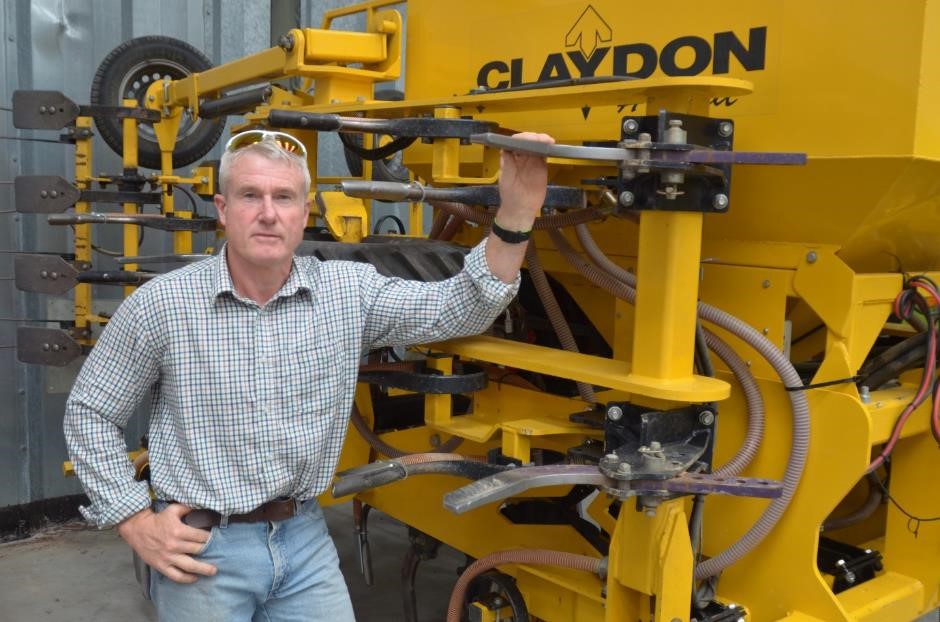
“I still regard the Straw Harrow as an essential part of our crop establishment system. It does an excellent job of evening out the distribution of chopped straw and knocking it off the stubble onto the ground where the worms can get at it, then take it down into the soil” – Mick Stanley
TerraStar
“If farmyard manure is to be spread and incorporated prior to drilling, using a Claydon TerraStar for example, rates of 8-10 tonne/acre works well” – Wayne Turnbull

Our Residue Management Tool Range
Successful residue management ultimately leads to successful establishment. Claydon seed drills are designed to operate effectively in retained residue systems, creating a clean seeding zone whilst maintaining valuable residue cover between the rows.

Trailed and Mounted Straw Harrows
The Straw Harrow is designed to spread straw and chaff more evenly across the field, helping to eliminate residue concentrations and improve residue-to-soil contact.
By disturbing only the surface, it encourages residue breakdown and volunteer germination while maintaining the valuable soil structure below.
Ideal for:
- Breaking up straw rows
- Spreading chaff evenly
- Encouraging decomposition
- Stimulating volunteer chit
- Low-cost, low-disturbance, cheap residue management

TerraStar
Where residue levels are higher or additional soil movement is required, the TerraStar provides a shallow cultivation option that can help create a more consistent environment for establishment.
Working at shallow depths, the TerraStar can improve residue-to-soil contact, stimulate volunteers and help manage surface compaction caused by harvest traffic.
Ideal for:
- Heavy residue situations
- Incorporating manure
- Reducing soil erosion
- Warming soils in springtime
Top Tips
Watch this space for Top Tips on using your Straw Harrow and TerraStar for residue management.
How to Get Out of a Muddle With a Straw Harrow
It all Starts With the Combine
Successful residue management begins with even straw and chaff distribution from the combine.
- Ensure stationary knives are engaged
- Ensure chopper belts and drivelines are correctly and well maintained
Maximise Seed to Soil Contact
Residue in close contact with the soil surface decomposes more effectively through microbial activity
- Create the conditions for residues to decompose naturally
- Soil biology, moisture and temperature do the hard work
Protect the Soil Surface
Retain residue to reduce erosion, improve infiltration and conserve moisture
- Conserve vital soil moisture
- Create an even ‘suit of armour’ for the soil surface
Avoid Residue Concentrations
Straw rows and clumps on the headland lead to uneven establishment and more difficult drilling conditions
- Your drill will cope better
- lesser slug pressure due to egg ‘hotspots’ being dispersed and desiccated
How do I use it in the field?
When you have pulled into the field, unfold your machine and find the area you want to start in. Choose the right angle to drive at, this will want to be at an angle to the combining, not necessarily the drilling. However, take into account what the pass after straw harrowing will be. If it is to be a drill, think about what angle you will want to drill the field on. You will want to drill on an angle to the straw harrowing to get the maximum levelling effect and for maximum output, but we don’t want lots of short work with the drill! The forward working speed would between 15 and 20k/hr. Be sure to leave the straw harrow on the ground and in work position when turning on the headland to not leave large trash deposits on the end of the field. You also want to be turning at least 1 straw harrow width before the edge of the field as to not drag grass weed seeds into the land work.
Straw Harrowing on the Claydon Farm
Our 15m trailed straw harrow makes light work of preparing stubbles for direct drilling on the farm in Suffolk. Using only 1-2 L/ha and covering 30+ha/hour, we are able to condition our stubbles very cost effectively.
FAQs
Everything you need to know about Claydon residue management with Straw Harrows and TerraStars.

Both the Claydon Straw Harrow and TerraStar have an important role to play in effective residue management, but they are designed to achieve different objectives.
The Straw Harrow is intended to condition the soil surface rather than cultivate it. Working with minimal soil disturbance, it redistributes straw and chaff evenly across the field helping to eliminate residue concentrations while encouraging volunteers and grass weeds to chit. By creating good contact between residues and the soil surface, it allows moisture, temperate and soil biology to begin the natural decomposition process. It’s the ideal first pass immediately behind the combine.
The TerraStar comes into its own where conditions demand greater soil engagement. The shallow cultivation pass can deliver additional agronomic benefits without compromising soil protection. By working only the upper layer of soil, it creates sufficient soil-residue contact to encourage decomposition while maintaining a protective residue cover across the surface. The machine uses rotating blades to create shallow surface divots across the field. These increase surface roughness, reducing the speed of water moving over the soil and encouraging infiltration. This helps minimise soil erosion and surface run-0ff while still leaving the surface traffic-able and firm.
20 hp (15 kW) per meter of working width.
If the weather is good enough to combine – it’s good enough to straw harrow!
As many times as you need to! With it being such a cheap operation to complete there is really no limit. Straw Harrows can be used before or after cultivations to level the soil and create a fine tilth.
The Claydon Straw Harrow creates a micro tilth in the top 30mm of soil. The retained moisture is used for a fast, even germination of weeds. They break up slug nests too, exposing their eggs to sunlight and desiccating them. Residue on or near the surface encourages worm activity, adding to the natural balance in the soil’s biome.
Think Change
Challenging times call for smarter thinking. Think Change with Claydon
To receive your free digital copy of our THINK booklet, sign up to our email updates by emailing marketing@claydondrill.com




Get in touch
Need help? We’re just a message away.
CLAYDON SEED DRILLS SYSTEM
HOW IT WORKS
Both the Evolution M-Mounted and Hybrid T-Trailed drills follow the same core principle, but they are designed for different farm sizes and farming operations.
Evolution M Mounted
- Better suited to small and medium farms where manoeuvrability and lower entry cost are important.
- Mounted configuration keeps the machine compact and agile in smaller or irregular fields.
- Hopper capacity up to around 2,500–2,700 litres, suitable for efficient output without excessive machine weight.


Case Studies
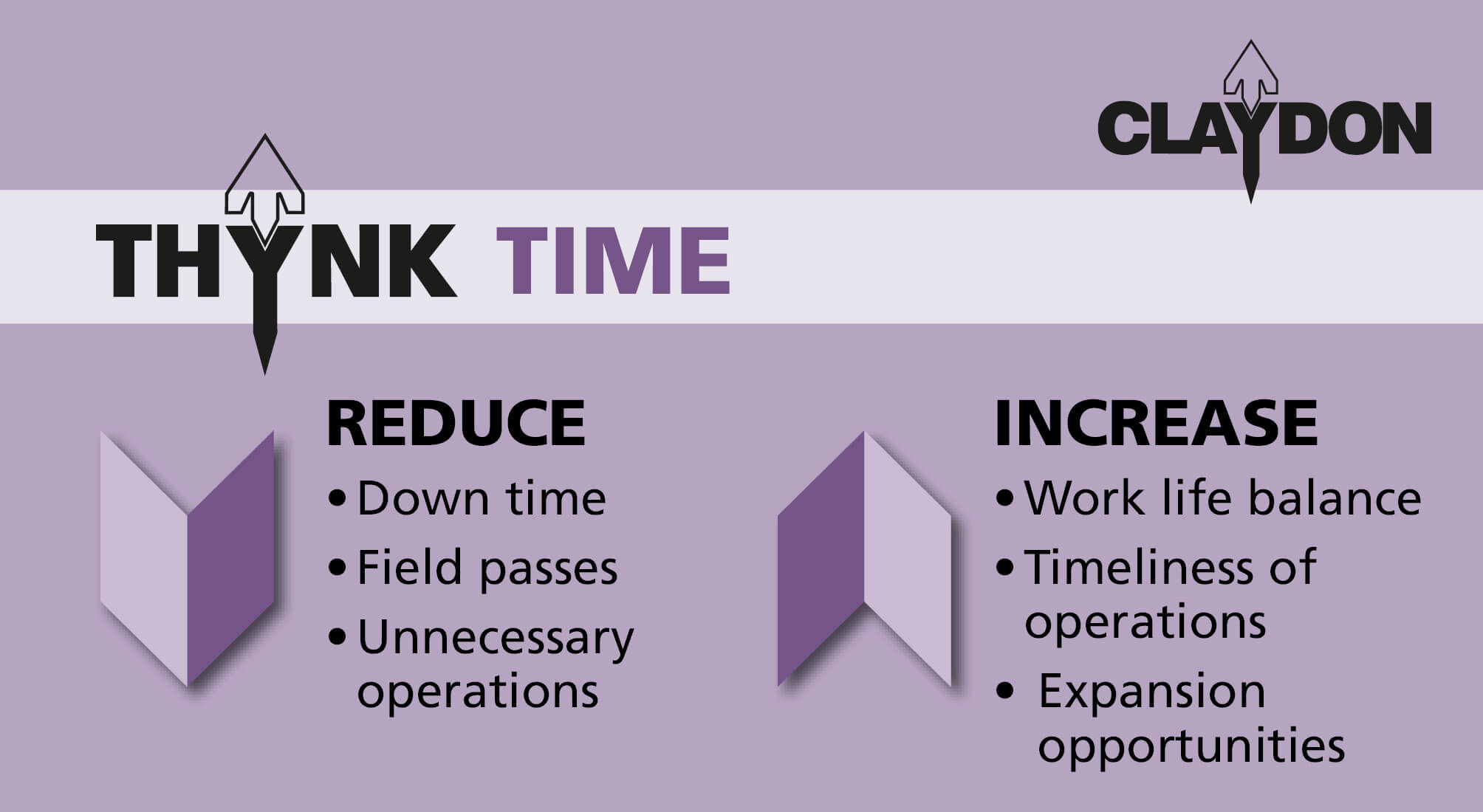
See how Claydon Drills have helped farmers across the world achieve real-life results — saving fuel, reducing unnecessary field passes and protecting soil structure while improving operational efficiency, soil health and overall crop performance.

Cotswolds – K C & A M Godwin
“We stopped ploughing four years ago in favour of direct drilling. This has significantly reduced the time and cost of ...Read More

Cotswolds- Stancombe Ash Farm
“It took us a long while to pluck up the courage to move away from our traditional approach of crop ...Read More

Norfolk – Astley Farms
“What we needed was a drill which was well priced, simple, practical and reliable, yet could cope with a wide ...Read More

Suffolk – T G Harris & Son
“Since changing to Claydon Opti-Till® we have seen a dramatic change in the health and structure of our soils, even ...Read More

Cumbria – George Douglas
“I had not realised just how large the time and fuel savings would be . . the Claydon Hybrid is ...Read More

Devon – Church Town Farm
“I needed a drill which was very versatile and would operate reliably in any situation. Although others worked well in ...Read More

Midlothian – Penicuik Estate
“Timeliness is key to everything that we do here. We have only 10 days to combine winter barley, bale the ...Read More

North Yorkshire – W Rooke & Sons
“I questioned why on earth we were still spending every waking hour for weeks on end working with a plough ...Read More

Wiltshire – Peter Wilson
“We have seen a massive reduction in the hours which our three tractors clock up since switching to direct seeding. ...Read More

Yorkshire – Wayne Turnbull
“Our largest field is 50 hectares and had a legacy of light blackgrass from years of conventional cultivations. I have ...Read More

East Yorkshire – Sam Middleton
“We had tried disc-type direct drills in the past, but crop establishment was not good enough to risk going down ...Read More

Oxfordshire – Clattercote Priory
“Since we introduced the Claydon Opti-Till® System our soils have become much easier to work and drain much better. Our ...Read More
About Us
A farming family with a passion for better machinery.
The Claydon family has been farming the heavy clay land of Suffolk since the early 1900s. Jeffrey and Frank Claydon are the third generation to work the same fields under the E.T. Claydon and Sons name, and they still farm that land today. In 1981, the family began manufacturing with the launch of the Claydon Yield-o-Meter, a pioneering yield monitoring system. That spirit of innovation led to the development of the Opti-Till seed drilling system. Today, multiple farms across the UK and beyond rely on our machinery to save time, cut costs and protect soil health.
“Customers notice a significant and progressive improvement in their soils where crops are established using the Claydon and they have us back to do more. It is rewarding to see how this approach benefits them and the difference it makes to their results.”
“We’re really impressed with the output of the machine, the increase in organic matter, no drop off in yields, the reduction in labour units, fuel savings and the general crop output. Fundamentally, I wouldn’t look at another system. I’m very pleased where we are.”

“Working with the Claydon System has given us a better soil structure. It’s given us equal to better yields. And it’s definitely lowered our cost of production.”

The Claydon System buys us time on our difficult ground and the main advantage for us is the speed and efficiency of the system. We can comfortably drill 32-40ha in a day. Given our steep banks, stones and some fiddly fields that’s a decent rate, and far more than we could achieve with the plough.
Get In Touch
We love to listen and we are eagerly waiting to talk to you regarding your project. Get in touch with us if you have any queries and we will get back to you as soon as possible.
Contact Information
info@claydondrill.com
Phone
+44 (0)1440 820327
Visitors and deliveries
Claydon Drills/ Claydon Yield-o-Meter Ltd
Bunters Road
Wickhambrook
Newmarket
Suffolk, CB8 8XY
Send Us a Message
Fill out the form below and we’ll get back to you shortly.